
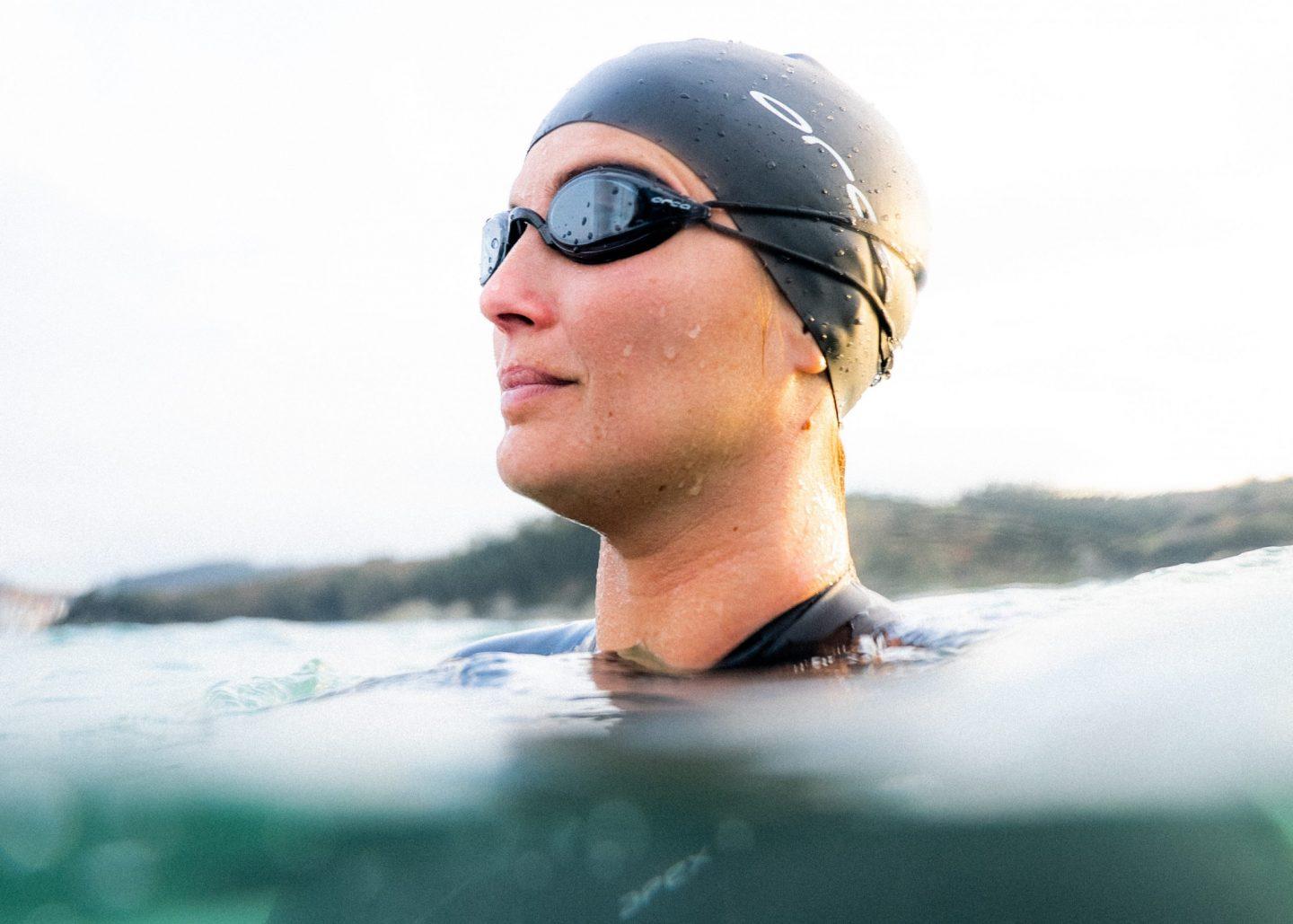
Picture this: you’re mid-race, lungs burning, arms churning, and then your goggles flood. One blink of stinging, chlorine-blurred vision is all it takes to lose your rhythm, your pace, and your edge. It happens to swimmers at every level, from first-time competitors to seasoned athletes. And almost every time, the culprit is not the water, not the technique; it’s the gear.
The right pair of swimming goggles is not a luxury. It is a performance tool. This article breaks down exactly how proper goggle fit affects your training, your times, and your confidence in the water, and helps you choose the best option for your needs.
Why Goggle Fit Is a Performance Variable, Not Just Comfort
Most swimmers treat goggles as an afterthought, grabbing them off a shelf and tightening them until they stop leaking. But improper fit creates a cascade of problems that directly affect performance. A goggle that sits too loose floods constantly, breaking concentration. One that is too tight creates pressure headaches and leaves red rings around your eyes after a 45-minute session.
Competitive swimmers know that mental focus is as important as physical conditioning. When your swimming goggles fit correctly, they disappear from your awareness entirely. You stop thinking about your gear and start thinking about your stroke, your turns, and your split times.
⭐ Featured Snippet
Proper goggle fit improves competitive swimming performance by eliminating distractions like leaking and fogging. A well-fitted pair of swimming goggles creates a watertight seal without excess pressure, allowing swimmers to maintain focus, protect their vision, and sustain consistent technique throughout training and competition.
The Real Cost of Poor Visibility in the Pool
Visibility is directly linked to lane discipline, wall timing, and pacing. When goggles fog up mid-set, you lose your reference points. You misjudge the wall, your turns suffer, and your confidence drops. Anti-fog swimming goggles are designed with a special inner coating that prevents condensation from building up on the lens, keeping your vision sharp from the first lap to the last.
Beyond fogging, UV protection swim goggles matter more than most people realize. Outdoor pools and open-water training expose your eyes to significant UV radiation. Over time, unprotected exposure contributes to eye strain and long-term damage. Goggles with UV400 lenses act as sunglasses for the pool, shielding your eyes during every outdoor session.
Pro tip: Never wipe the inside of your goggle lenses. The anti-fog coating is a delicate layer that degrades with contact. Rinse with clean water and air dry to preserve the coating for longer.
Choosing the Right Goggles for Your Profile
Not every swimmer has the same face shape, training intensity, or competitive goal. The market offers a wide range of categories, each built for specific needs.
Professional swimming goggles, sometimes called Swedish or racing goggles, sit low on the face with a minimal profile to reduce drag. They are built for speed and are the standard choice for competitive swimmers who prioritize hydrodynamics. Swimming goggles for men often feature slightly wider frames and adjustable nose bridges to accommodate larger facial structures, while swimming goggles for kids are built with softer, flexible gaskets, smaller frames, and bright colors to make swimming enjoyable and safe for younger athletes.
If you are a recreational swimmer who trains regularly but also values all-day comfort, look for comfortable swimming goggles with a wide, cushioned seal. Silicone gaskets conform to your face better than hard plastic and maintain a leak-proof swim goggle fit even during flip turns and starts.
How to Test Goggle Fit Before You Buy
A proper fit test takes less than 30 seconds and saves you hours of frustration. Press the goggles gently against your eye sockets without putting the strap on. If they create a light suction and stay in place for two to three seconds, the seal geometry matches your face. If they fall off immediately or require significant pressure to stay, the fit is wrong for your face shape.
Check the nose bridge next. Most quality goggles come with interchangeable nose bridges. A bridge that is too short will force the lenses apart, breaking the seal at the inner corners. A bridge that is too long will allow the lenses to slide toward your temples. Take the time to find the right fit combination before committing to a pair.
Caring for Your Goggles to Protect Your Investment
Good swim goggles, especially professional swimming goggles, are precision equipment. Treat them accordingly. After every session, rinse your goggles in clean, cool water to remove chlorine and salt residue. Store them in a hard case to protect the lenses from scratches. Avoid leaving them in direct sunlight for extended periods, as UV exposure degrades silicone gaskets over time.
Replacing your goggles when the gasket loses elasticity or the anti-fog coating wears off is not a sign of carelessness. It is smart training practice. Worn-out goggles create performance gaps you may not even notice until you race.
Finding the Best Swimming Goggles in India for Your Level
The Indian swimming community has grown significantly, with more athletes competing at state, national, and international levels. Finding the best swimming goggles in India means balancing quality construction, optical clarity, and value. Look for brands that offer UV protection, silicone seals, anti-fog coatings, and multiple nose bridge options in a single package.
Whether you are equipping a junior swimmer with their first pair, upgrading to professional swimming goggles for competition, or simply looking for comfortable swimming goggles for regular fitness training, the right pair exists for your needs and your budget. Prioritizing fit over price is always the smarter long-term decision.
Gear Up, Show Up, Perform Better
Your training deserves gear that works as hard as you do. The right swimming goggles protect your eyes, sharpen your visibility, and eliminate the small distractions that cost you time and focus in the water. Start with fit, verify the seal, check for anti-fog and UV protection, and choose a lens profile suited to your training environment.
Now it is your turn: what has been your biggest frustration with swim goggles in the past, and what feature matters most to you when choosing a new pair?