
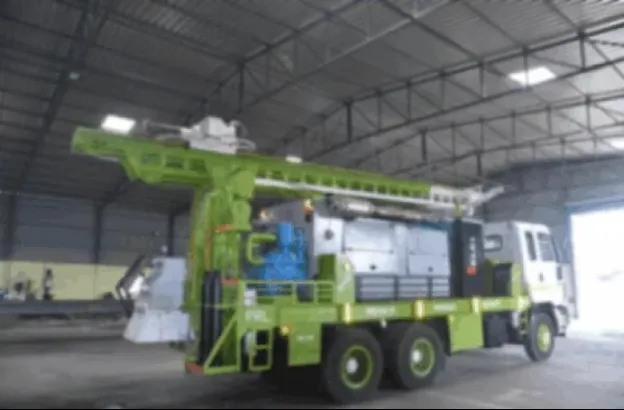
Successful borehole drilling depends on more than machine power. Ground conditions, equipment capacity, operating methods, and maintenance all influence how steadily a project progresses. Choosing suitable machinery from experienced borehole drilling machine manufacturers helps contractors match technical capabilities to site demands. Understanding the factors that affect performance helps reduce delays on site.
1. Soil and Rock Conditions
The ground is one of the biggest influences on drilling speed. Loose sand, clay, gravel, fractured rock, and hard formations each respond differently to drilling methods and tools. A bit suited to one formation may wear quickly or advance slowly in another. Before work begins, assess the expected geology and select an appropriate drilling method, bit, and rig configuration. Unexpected layers may require adjustments during the project.
2. Machine Power and Capacity
Engine output, rotary torque, feed force, compressor capacity, and maximum drilling depth all affect performance. If a machine lacks the capacity needed for the planned hole diameter or formation, progress may slow, and components may experience excess strain. A rig should be selected according to the required depth, diameter, drilling method, and ground conditions, rather than price alone. Specifications help evaluate suitability.
3. Drill Bits and Supporting Equipment
The condition and type of drill bit influence penetration, wear, and hole quality. Worn or mismatched bits can increase drilling time and place additional stress on the machine. Drill pipes, hammers, compressors, pumps, and other accessories must suit the rig. Quality borehole drilling equipment works as a coordinated system, so compatibility matters as much as individual component quality.
4. Operator Skill and Drilling Technique
Experienced operators can adjust rotation, feed pressure, and drilling speed to suit changing formations. Excessive force or unsuitable operating settings may accelerate wear, reduce efficiency, or affect borehole stability. Following manufacturer guidance, monitoring progress, and recording changes in ground conditions help teams make informed adjustments. Clear communication supports safer, organised work.
5. Maintenance and Equipment Condition
Routine maintenance helps keep a rig operating as intended. Worn hydraulic components, blocked filters, damaged hoses, low fluid levels, and compressor problems can cause downtime or inconsistent output. Pre-start checks, scheduled servicing, lubrication, and timely replacement of worn parts help identify issues before they interrupt work. Records reveal recurring faults.
6. Site Access and Setup
Limited access, uneven ground, poor drainage, and restricted working space can complicate rig positioning. A machine must be transported and set up safely, with sufficient room for rods, support vehicles, and materials. Stable positioning supports controlled, steady drilling, while efficient movement of supplies reduces unnecessary stoppages. Plan access and layout before mobilisation.
Conclusion
Borehole drilling performance depends on matching the rig to the geology, maintaining compatible tools, using sound operating techniques, and preparing the site properly. Reviewing these factors before and during work helps teams identify bottlenecks and consistently improve productivity without overlooking safety or equipment limits. Comparing specifications and support options from reliable borehole drilling machine manufacturers can help contractors choose machinery suited to their project requirements.
Choosing the right drilling equipment is essential for achieving reliable results on site. Prime Rigs offers a range of drilling rigs for water well drilling, mining, construction, and core drilling applications. Explore our truck-mounted, crawler-mounted, portable, and refurbished models, along with drill pipes, bits, and DTH hammers. Contact Prime Rigs today to discuss your project requirements and find equipment that matches your operational needs.