
Choosing the right cricket ball is an important part of preparing for competitive matches and effective practice sessions. A quality ball can influence batting, bowling, catching, fielding, and overall training performance. For players who want a realistic cricket experience, a Cricket Leather Ball is one of the most popular choices for professional games, club cricket, academy training, and serious net practice.
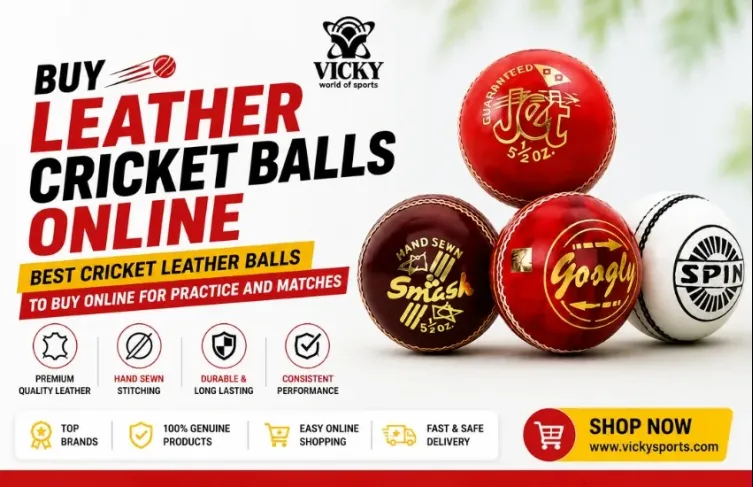
With many cricket balls available online, selecting the right product can sometimes be challenging. Factors such as construction, weight, leather quality, stitching, seam, durability, and intended use should all be considered before making a purchase. This guide explains what to look for when choosing the best Cricket Leather Ball for practice and matches.
What Is a Cricket Leather Ball?
A Cricket Leather Ball is a traditional cricket ball designed with a leather outer covering and a durable internal core. The ball typically features a stitched seam that plays an important role in its movement through the air and interaction with the pitch.
Leather cricket balls are widely used in competitive cricket because they provide characteristics that are closer to match conditions than softer training balls. Their weight, hardness, bounce, and seam allow players to practice batting and bowling techniques under realistic conditions.
For serious cricketers, regular practice with an appropriate leather ball can help improve confidence and prepare them for competitive match situations.
Why Choose a Cricket Leather Ball?
A quality leather ball offers several benefits for players and coaches.
1. Realistic Match Practice
Players preparing for competitive cricket need to experience conditions similar to those they will face during matches. A Cricket Leather Ball allows batsmen and bowlers to practice with a traditional hard cricket ball.
2. Suitable for Advanced Training
Leather balls are commonly used during advanced batting, bowling, and fielding sessions. They can help experienced players work on specific technical aspects of their game.
3. Consistent Performance
A well-constructed cricket ball can provide consistent bounce and response when used appropriately. This is important for players who want reliable practice sessions.
4. Useful for Bowlers
The seam and construction of a leather ball can allow bowlers to practice line, length, swing, seam movement, pace, and variations.
5. Ideal for Competitive Cricket
Depending on the specifications and level of play, leather cricket balls can be used for club matches, academy competitions, school cricket, and other competitive formats.
Cricket Leather Ball for Practice
Practice is essential for improving cricket skills, and the right ball can make training more effective. A Cricket Leather Ball can be used for net sessions where batsmen and bowlers want to recreate match-style conditions.
Batsmen can work on defensive techniques, attacking shots, footwork, timing, and shot selection. Bowlers can focus on their run-up, release, line, length, swing, seam, and variations.
Fielders can also use leather balls for catching and throwing drills. However, because leather cricket balls are hard, appropriate protective equipment and supervised training are important.
Cricket Leather Ball for Matches
Match-quality cricket balls are designed for competitive playing conditions. When choosing a ball for matches, players and organizers should check the requirements of the particular tournament or cricket association.
Different levels of cricket can have specific requirements regarding ball weight, size, construction, and approved brands or specifications. Therefore, always confirm the competition rules before purchasing match balls.
A suitable match ball should have good construction, a reliable seam, durable covering, and consistent performance.
Important Features to Check Before Buying
When searching for the best Cricket Leather Ball to buy online, consider the following features.
1. Leather Quality
The outer covering plays an important role in the ball’s durability and performance. Look for product information that clearly describes the quality and construction of the leather covering.
2. Stitching and Seam
The seam is an important part of a cricket ball. Check the stitching quality and seam construction before purchasing. A well-made seam can help the ball maintain its shape and provide consistent performance.
3. Weight
Cricket balls are available in different specifications. Select the appropriate weight based on the player’s requirements and the level of cricket. Match regulations should always be checked when purchasing balls for competitions.
4. Shape and Construction
A good cricket ball should maintain its shape during use. Check the product description for information about its internal construction and manufacturing quality.
5. Durability
For frequent practice, durability is especially important. A ball used regularly in nets may experience repeated impacts from bats and hard surfaces, so choosing a suitable training-grade product can provide better value.
6. Intended Use
Not every leather ball is designed for exactly the same purpose. Some may be intended for matches, while others are designed primarily for training and practice. Always read the product specifications carefully.
Match Ball vs. Practice Ball
One common mistake is assuming that every leather cricket ball is suitable for competitive matches. Practice and match balls can differ in their specifications, construction, and intended use.
A practice ball may be designed to withstand repeated training sessions and provide good value for regular nets. A match ball may be manufactured to meet specific playing requirements.
If you are purchasing a ball for an official match, check the tournament or league requirements before ordering.
How to Choose a Cricket Leather Ball for Your Skill Level?
Beginners
Beginners should first focus on learning correct techniques and should use appropriate equipment under the guidance of a coach. A suitable training ball can help introduce them to the feel of a traditional cricket ball.
Intermediate Players
Intermediate players can use leather balls during structured net practice to improve batting and bowling consistency.
Advanced Players
Advanced and competitive players can benefit from regular practice with balls that closely match the specifications they will encounter during competitive cricket.
Tips for Buying Cricket Leather Balls Online
Online shopping gives players access to a wide range of cricket equipment, but it is important to evaluate products carefully.
Before buying:
· Check the ball’s specifications.
· Confirm the intended use.
· Review weight and size information.
· Check details about leather and stitching.
· Consider durability for frequent practice.
· Compare products from reliable sports equipment sellers.
· Check the quantity if purchasing for a team or academy.
· Make sure the ball meets competition requirements when needed.
Avoid choosing a leather cricket ball based only on price. A low-cost product may not always provide the durability or performance required for serious practice.
How to Maintain Your Cricket Leather Ball?
Proper care can help extend the useful life of a leather cricket ball.
Keep the ball dry and avoid unnecessary exposure to moisture. After practice, remove dirt carefully and store the ball in a suitable dry location. Avoid using damaged balls for demanding practice sessions.
Players and coaches should also regularly inspect the seam and outer covering. If the ball becomes significantly damaged, replacing it can be safer and more practical.
Safety Tips When Using Leather Cricket Balls
Leather cricket balls are harder than tennis or other soft training balls. Players should use appropriate protective equipment during batting and close fielding practice.
Batsmen should use suitable helmets, gloves, pads, and protective guards as appropriate. Coaches should ensure that players understand safe catching and fielding techniques.
Young or inexperienced players should practice under proper supervision, particularly when transitioning to hard cricket balls.
Buy Cricket Leather Balls from Vicky Sports
For players looking for cricket equipment online, Vicky Sports offers options for cricket enthusiasts, players, teams, and training requirements. When selecting a Cricket Tennis Ball or Leather Ball, consider the level of cricket, intended use, product specifications, and required durability.
Whether you need a leather ball for net practice, academy training, club cricket, or match preparation, choosing a product that matches your specific requirements can make your training sessions more effective.
Vicky Sports can be considered when searching for cricket equipment and leather balls for different playing needs.
Frequently Asked Questions
What is a Cricket Leather Ball used for?
A Cricket Leather Ball is commonly used for competitive cricket, advanced training, net practice, and match preparation.
Is every leather cricket ball suitable for matches?
No. Match requirements can vary by competition. Always check the tournament or league specifications before purchasing a match ball.
What should I check when buying a leather cricket ball?
Consider leather quality, stitching, seam, weight, shape, durability, construction, and intended use.
Can leather cricket balls be used for practice?
Yes. They are widely used for batting, bowling, and fielding practice, particularly at intermediate and advanced levels.
Conclusion
A quality Cricket Leather Ball can be an important part of serious cricket training and competitive match preparation. From developing batting techniques to practicing bowling variations, the right ball allows players to experience conditions closer to traditional cricket.
When you buy cricket leather balls online, look beyond price and consider construction, leather quality, stitching, seam, weight, durability, and intended use. For official matches, always confirm the required specifications before purchasing.
For players, coaches, academies, and cricket enthusiasts searching for reliable cricket equipment, Vicky Sports can be considered for Cricket Leather Balls suitable for practice and match-related requirements.